
From Blueprint to Bliss: Room-by-Room Renovation Schedules That Actually Work
Lay the Groundwork: Permits, Prep, and the Critical Path
Permits and Paperwork Come First
Start with zoning rules, HOA approvals, and permit types that govern scope, noise, and hours. Submit drawings early, confirm inspection order, and note blackout dates. Create a binder with stamped plans, insurance certificates, and contact lists. When officials can reach you quickly and documentation is tidy, inspections slide into the schedule without derailing trades already queued, preserving your critical path and your goodwill.
Procurement Sets the Pace
Long-lead items silently define the calendar. Cabinets, shower glass, custom windows, specialty tile, and electrical gear can run eight to sixteen weeks. Lock selections early, place deposits, and request written ship dates. Track every order in a shared spreadsheet. When something slips, resequence adjacent tasks rather than stopping work, maintaining momentum by moving to prep, paint, or trim in unaffected rooms while waiting. On one renovation, a backordered electrical panel threatened three idle days until we pulled forward painting in the den, keeping everyone productive and the schedule intact.


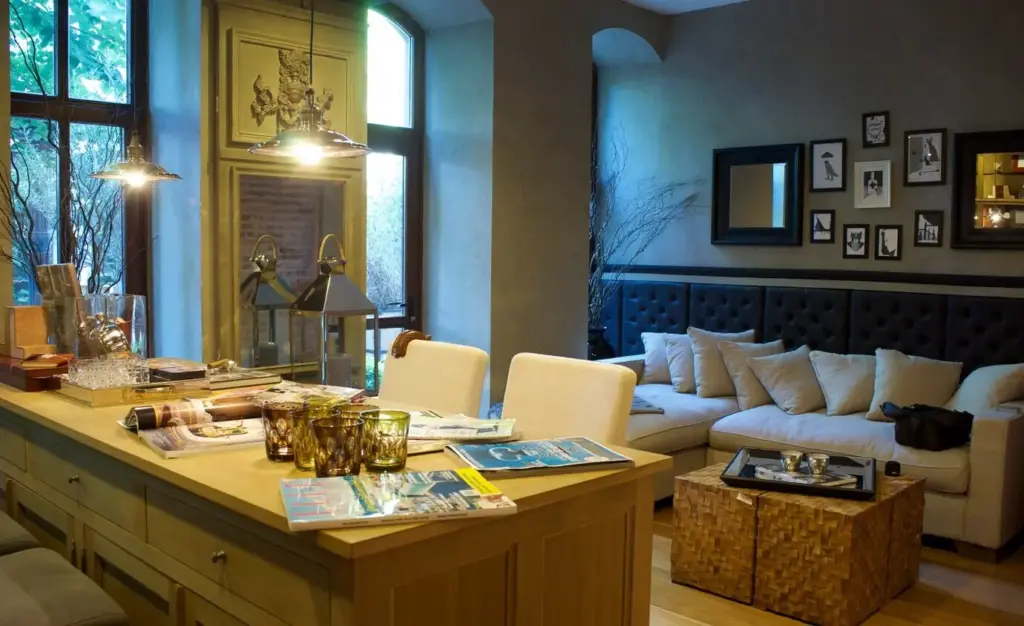
Kitchen: Coordinating Trades Without Losing Weeks

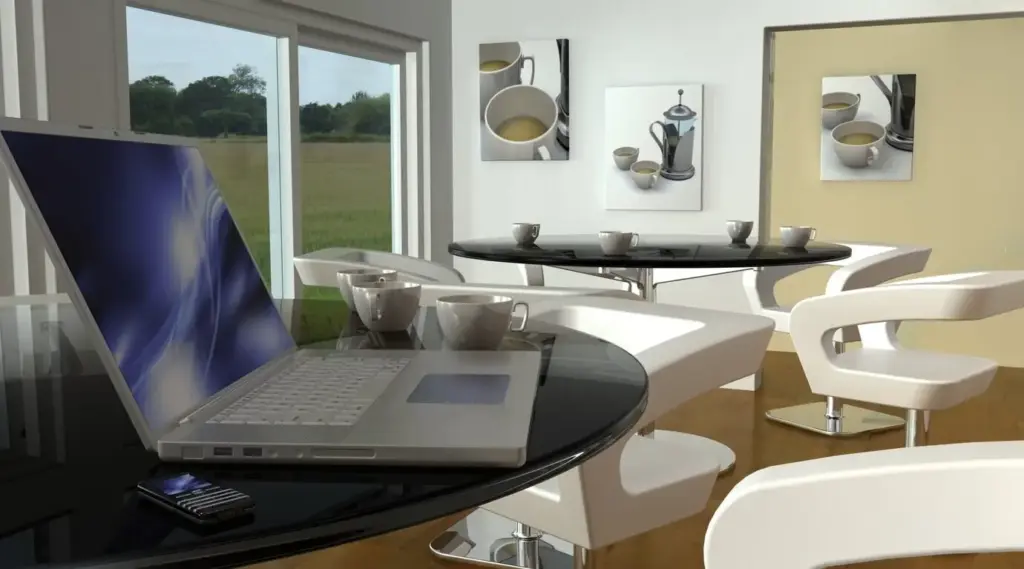

Living Areas: Floors, Walls, Light, and Dust Control
{{SECTION_SUBTITLE}}
Flooring First or Last? Decide with Intent

Paint Timing and Wall Repairs

Staging to Sleep Elsewhere
Set up a temporary sleeping area with blackout curtains, white noise, and sealed vents. Move essentials into rolling bins for quick daily resets. Share a nightly turnover checklist with trades. Reliable sleep turns families into energetic partners instead of exhausted roadblocks, keeping mornings predictable and allowing crews to start on time without last-minute room reshuffles or frustrated conversations.
Closet Systems and Lead Times
Measure twice and design for future flexibility with adjustable rails and shelves. Order components early; bespoke doors and drawers often trail three to six weeks. While waiting, paint interiors and add lighting rough-ins. Installation can dovetail with baseboard and door hardware days, compressing trips and creating a gratifying reveal that energizes everyone right before the larger project reaches its midway point.
Acoustic Upgrades and Air Quality
Seal gaps around outlets, use mineral wool in shared walls, and consider resilient channels under new drywall. Replace worn weatherstripping and commission a deep clean after sanding phases. Deploy HEPA filtration and establish shoe-free zones. Quieter, cleaner bedrooms improve recovery, which shortens indecision, accelerates signoffs, and helps the entire renovation stay on timeline because people think clearly and rest deeply.
Finale: Whole-Home Sequencing, Inspections, and Punch Lists
City Sign-Offs and Safety
Coordinate final inspections across disciplines on the same day when possible. Prepare access, ladders, and documentation. Test smoke and CO detectors, verify GFCI and AFCI protection, and label panels. If a correction notice arrives, respond within twenty-four hours. Swift, respectful cooperation keeps officials supportive, compresses revisit windows, and frees the calendar for punch work and joyful move-in preparations.
Punch Lists that Propel Momentum
Capture every remaining task with photos, locations, and owner priority. Assign owners and dates in one shared sheet. Host a daily fifteen-minute huddle with trades to clear clusters efficiently. Closing dozens of micro items unlocks outsized relief, removes mental clutter, and reveals the home you envisioned, while keeping cash flow and goodwill strong through the very last walkthrough.
Move-In, Maintenance, and Lessons Learned
Schedule a staggered move-in to protect fresh finishes, bringing rugs and felt pads before furniture. Create a maintenance calendar for filters, caulk joints, and sealers. Archive manuals and color formulas. Post a recap for readers: what sequencing surprised you, what buffers saved sanity, and which vendors delighted you. Your reflections help the next person build a timeline that truly fits life.
All Rights Reserved.